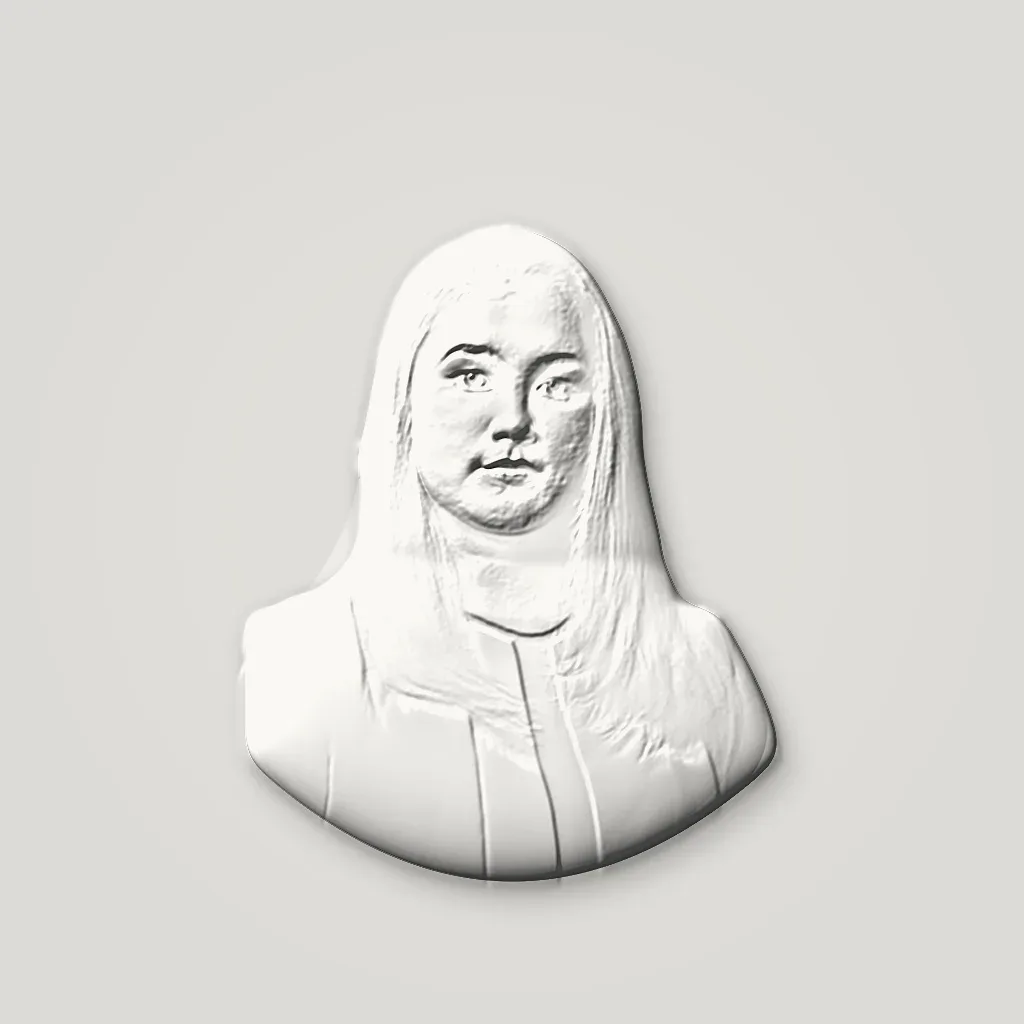
A Rohingya human rights activist and lawyer from Buthidaung, known for her advocacy for democracy, women's rights and justice in Myanmar. Arrested with her family at 18 while a law student, she spent nearly seven years in Insein Prison before her release in 2012, then founded the Women's Peace Network (Arakan) and Justice for Women and has spoken at the United Nations and other international forums. She has been listed in BBC 100 Women and named a TIME Next Generation Leader.
1987
Born in Buthidaung, Rakhine State, to Rohingya parents.Her father, U Kyaw Min, was elected to Parliament in the 1990 election, but the military junta refused to recognise the results.
Age 16
After the family moved to Yangon, she began studying law at the University of East Yangon.
2005
Arrested with most of her family at the age of 18, in her second year of law school, and sentenced to 17 years in Insein Prison; her father received a long sentence in solitary confinement.
2012
Released with her family under a presidential amnesty in January, after nearly seven years in prison.She later said she had learned deeply from the experiences of other women detainees.
After release
Completed her law degree and founded the Women's Peace Network (Arakan) and Justice for Women, working for women's rights, legal aid and peaceful coexistence between communities.
2018
Earned a Master of Laws (LL.M.) from the University of California, Berkeley.
Recognition
Listed in BBC 100 Women and named a TIME Next Generation Leader.
Sources
Office of the United Nations High Commissioner for Human Rights (OHCHR). Wai Wai Nu, Rohingya activist: “I am not free. My community is not free. My country is not free.” Solomon, Felix. The Activist Bridging a Democratic Divide. TIME. Reed, John. (2017, December 7). Myanmar activist Wai Wai Nu: “Prison was really a life education.” Financial Times. Berkeley Law. (2017, July 25). From Political Prisoner to International Inspiration: LL.M. Student Wai Wai Nu. Nobel Women’s Initiative. Meet Wai Wai Nu, Burma. The Equal Rights Review. Layers of Marginalisation: Life for Rohingya Women – Testimony from Myanmar. George W. Bush Presidential Center. Wai Wai Nu profile. N-Peace. (2014). Alumni profile: Wai Wai Nu. Foreign Policy Magazine. Wai Wai Nu profile (Top 100 Global Thinkers). Georgetown University. Hillary Clinton Award – Wai Wai Nu. Columbia World Projects. Wai Wai Nu profile. United States Holocaust Memorial Museum (USHMM). Wai Wai Nu profile. Ekathimerini. (2021, October 1). Democracy’s arc from Athens to Myanmar.
From political prisoner to global advocate
Wai Wai Nu is a Rohingya human rights activist and lawyer known for her advocacy for democracy, women’s rights, and justice in Myanmar. She was born in 1987 in Buthidaung, Rakhine State, to Rohingya parents. Her father, U Kyaw Min, was elected as a Member of Parliament in the 1990 election as a candidate of the National League for Democracy (NLD), but the military junta refused to recognize the results. She later moved to Yangon with her family and began studying law at the University of East Yangon at age 16.
In 2005, when she was 18 and in her second year of law school, Wai Wai Nu and most of her family were arrested. She was sentenced to 17 years in Insein Prison, while her father received a long sentence in solitary confinement. She spent nearly seven years in prison, where she later said she learned deeply from the experiences of other female detainees. In January 2012, her family was released under a presidential amnesty.
After her release, she completed her law degree and began human rights work. She founded Women’s Peace Network (Arakan) and Justice for Women, focusing on women’s rights, legal aid, and peaceful coexistence among communities. She has spoken at the United Nations and other international forums on human rights in Myanmar. In 2018, she earned a Master of Laws (LL.M.) from the University of California, Berkeley.
She has received international recognition, including being listed in BBC 100 Women and named a TIME Next Generation Leader. Wai Wai Nu is widely known as a Rohingya voice for human rights and justice, and her journey from political prisoner to global advocate has made her a notable figure in Rohingya activism.